Comprehending Insulator End Fittings in Composite Insulators


Insulators are crucial components in high-voltage power transmission systems as they play an essential duty in keeping the electric current streaming safely. Composite insulators, likewise called non-ceramic or polymer insulators, have actually come to be more popular since of their better efficiency and longevity. Insulator end installations are vital components that link the insulator to the conductor or various other components in a transmission line. In this article, we will certainly check out the importance of insulator end fittings, the various types readily available, setup techniques, products utilized in their construction, and pertinent criteria.
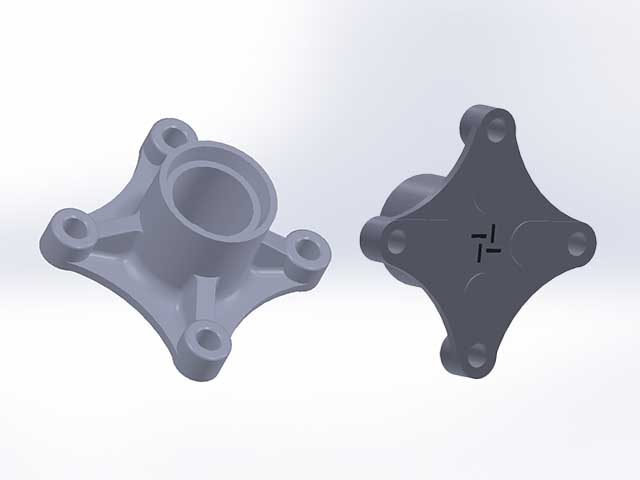
The Duty of End Fittings in Composite Insulators:
End fittings are vital elements for composite insulator installation and connection. They secure the insulator to the framework and avoid it from escaping from the conductor. End fittings additionally give a reputable mechanical user interface in between the insulator and the framework, making sure that the insulator's load-carrying capability is not endangered. They are also in charge of transferring the tensile and compressive loads from the insulator to the tower or post and taking in any type of bending moments.
Kinds Of End Fittings: A Detailed Review:
There are numerous kinds of insulator end installations readily available, depending upon their application and structure kind. The most usual ones consist of hinge, tongue-and-clevis, socket-eye, and yoke fittings.
Ball-and-socket fittings contain a ball-socket combining that permits angular activity along a radial aircraft, making them excellent for locations with high wind lots. Tongue-and-clevis installations supply comparable angular motions yet with less resistance to axial tons. TENGTOP are the most frequently utilized suitable in overhead transmission lines. Socket-eye fittings provide a safe and secure straight-line pull and are usually made use of where the insulator axis requires to be according to the conductor axis, while yoke fittings are for use when the conductor needs to be held in a fixed position.
Setup Methods for Insulator End Fittings:
End fittings can be mounted using different methods, depending on the functional situations and the style requirements. One of one of the most typical approaches is the crimping technique, where end installations are affixed to insulators using a certain crimping device. Another method is the mechanically lined technique, which includes permanently connecting the steel end fitting to the insulator making use of epoxy adhesive. power utility entails infusing the polymer product into the steel end suitable, permitting a solid bond between both products.
Material Choice for Resilient Insulator End Fittings:
The option of material for insulator end fittings plays a critical function in their durability and sturdiness. One of the most generally made use of materials are light weight aluminum, steel, and composite materials. For ball-and-socket installations, light weight aluminum is a prominent selection due to the fact that of its high strength-to-weight proportion and deterioration resistance. For tongue-and-clevis installations, steel is normally used because of its high toughness and strength. For socket-eye fittings, both steel and light weight aluminum are frequently utilized, while composite products are utilized for yoke installations due to the fact that of their exceptional insulation and corrosion-resistant properties.
Specifications and Rules Governing Insulator End Fittings:
To make sure the safety and dependability of power transmission systems, numerous requirements have actually been developed to control the style, testing, and manufacture of insulator end installations. Some of these standards include IEC, ANSI, and GB standards, which cover critical elements such as mechanical stamina, electric buildings, and environmental efficiency. Additionally, governing bodies, such as the National Electric Safety And Security Code (NESC) and the Occupational Safety And Security and Wellness Administration (OSHA), have actually also developed standards to govern the safe procedure and maintenance of transmission lines.
Insulator end fittings are necessary parts in the power transmission system, and their appropriate installment, material choice, and adherence to requirements are important for system security and integrity. Comprehending the different sorts of end installations readily available, setup techniques, materials, and requirements can aid system drivers and developers make notified decisions when selecting and setting up insulator end installations. They additionally play an important function in the system's general sustainability by ensuring that power is delivered securely and effectively.