Conveyor Modern Technology: Modular and Adaptable Solutions


In modern-day manufacturing procedures, agility and versatility are key to staying competitive in the worldwide market. In response, numerous companies are transforming to modular conveyor systems as a versatile solution for material handling and sharing needs. These systems provide substantial benefits over traditional conveyors, including the ability to adjust to altering manufacturing demands and the ability to construct custom remedies with a variety of parts and devices. In this blog, we will certainly discover the advantages of modular conveyor systems and exactly how they are transforming the face of modern-day manufacturing.
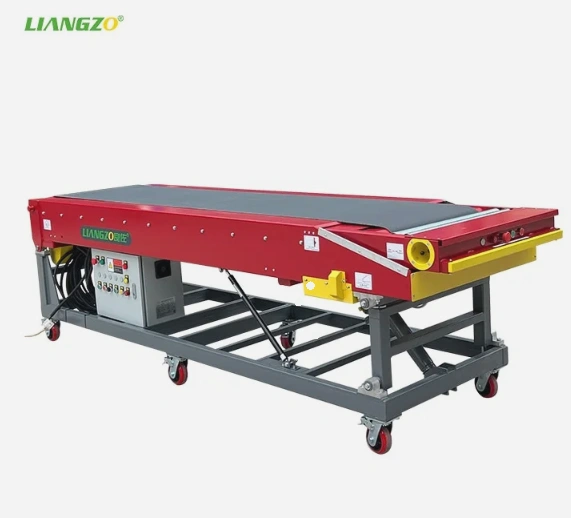
https://www.fjlzzn.com/products/liangzo-flexible-telescopic-belt-conveyor-for-conveying-and-material-handling?VariantsId=10029 of Modular Conveyor Solutions in Flexible Production
Modular conveyor systems supply a variety of distinct advantages for versatile production procedures. One of one of the most substantial benefits is the capability to quickly change conveyor designs to suit altering production demands. With traditional conveyor systems, reconfiguring the format of conveyors calls for considerable time and expense, usually calling for the taking apart and restoring of whole conveyor lines. Nonetheless, with modular conveyor systems, adding, eliminating, or repositioning conveyors can be accomplished quickly and conveniently. This permits makers to react promptly to altering manufacturing demands, enhancing total effectiveness and minimizing downtime.
Adjusting Conveyor Solutions to Satisfy Altering Manufacturing Demands
Another key advantage of modular conveyor systems is the ability to adapt to changing manufacturing requirements. Typical conveyor systems are often made for specific items or processes, and making adjustments to accommodate brand-new products or procedures can be tough and pricey. Modular conveyor systems, on the other hand, are developed to be flexible and adaptable. By incorporating modular elements like powered roller conveyors, gravity conveyors, and belt conveyors, producers can develop custom-made conveyor solutions tailored to their details demands. This not only enhances effectiveness, yet also makes it much easier to accommodate changes in production demands.
Components and Accessories for Building Personalized Conveyor Solutions
Modular conveyor systems are very adjustable, supplying a wide variety of elements and devices that can be integrated to create custom-made conveyor solutions. Some of one of the most generally utilized components consist of powered roller conveyor s, gravity conveyors, belt conveyors, and modular curves. Devices like side overviews, end quits, and sensors can additionally be included to boost conveyor efficiency and security. By developing customized conveyor options utilizing modular components, suppliers can accomplish greater throughput, reduce mistakes, and improve total efficiency.
Case Researches: Modular Conveyor Equipments at work
Modular conveyor systems have actually already been effectively carried out in a vast array of manufacturing applications. One instance remains in the vehicle market, where a leading auto supplier made use of modular conveyor systems to improve performance in their body store. By integrating powered roller and belt conveyors to create personalized options, they accomplished a 25% enhancement in throughput and a 30% reduction in issues. One more instance is in the pharmaceutical sector, where modular conveyor systems were utilized to produce a personalized solution for the secure handling of unsafe drugs. The system consisted of modular contours and gravity conveyors, allowing employees to safely move materials in between terminals without exposure.
Future Patterns in Modular and Versatile Conveyor Modern Technology
As manufacturing procedures come to be extra complex and demanding, the need for adaptable and adaptable conveyor options will just enhance. In feedback, the conveyor market is remaining to introduce and establish brand-new modern technologies to fulfill these difficulties. One pattern is in the direction of even more smart and connected conveyor systems, leveraging advancements in sensing unit modern technology, automation, and the Net of Things. These systems can monitor manufacturing in genuine time, immediately change conveyor speeds and layout in response to adjustments popular, and provide anticipating upkeep to lower downtime. An additional pattern is in the direction of greater use of modular and adaptable conveyor systems in non-traditional industries, such as food and beverage, logistics, and shopping.
Modular conveyor systems supply substantial benefits over standard conveyor systems in modern manufacturing environments. They offer exceptional flexibility and versatility, making it much easier to modify conveyor formats, adapt to transforming production demands, and develop custom conveyor services tailored to details requirements. As makers strive to improve efficiency and remain affordable in the international market, the demand for modular conveyor systems will just remain to expand. Developments in modern technology and advancement will make certain that these systems stay at the leading edge of modern-day manufacturing, leading the way towards a much more agile and vibrant future.