Essential Overview to Choose Steel Reducing Devices for Your Projects


Metalworking is an intricate craft where accuracy satisfies strength. In the busy world of workshops and commercial production, the tools you choose can make all the difference. This overview aims to debunk the process of picking steel cutting devices, equipping you with the knowledge to make enlightened choices, whether you're a hobbyist working with individual projects or an expert ingrained in elaborate, high-stakes commercial operations.
Comprehending the Different Sorts Of Steel Cutting Tools Offered Today
The marketplace is replete with an array of metal cutting devices, each designed for a specific purpose. Grasping the distinction in between these tools is critical for the success of your project. We'll explore the performances of common tools like saws, drills, and turrets, along with the much more specific tools such as broaches and countersinks.
Cutting devices such as end mills, brings up, and countersinks are staples in the machinist's collection. Each has an unique geometry and specific purpose. End mills, as an example, excel at account milling and plunging, while broaches are unequaled for finishing keyways and splines. By providing real-world situations, we highlight exactly how each device functions, helping you to imagine their function in your personal or professional tasks.
Trick Factors to Think About When Finding Metal Cutting Devices
Choosing the best reducing tool is more than an issue of getting hold of the very first one that comes to hand. There are numerous aspects to take into consideration, such as the material you're reducing, the type of cut needed, and the tool's coatings and requirements. This section overviews you with a decision-making structure that will simplify your choice process and make certain that the tool you select is enhanced for your requirements.
Material is extremely important. circular saw blades make-ups, from aluminum to stainless steel, react in a different way to reducing. You'll discover the excellent device geometries, speed, and feed rates for different products, and just how to match them with devices that are created with these specs in mind. metal cutting tools 'll also take a look at the significance of finish in prolonging tool life and enhancing performance, specifically in high-speed and high-temperature reducing atmospheres.
Making The Most Of Performance and Accuracy with the Right Cutting Tools
Once you've chosen your devices, the next action is to utilize them efficiently. Even the very best cutting device can underperform otherwise utilized with precision. This section provides sensible suggestions on tool configuration, reducing techniques, and upkeep to enhance cutting efficiency and effectiveness.
Proper tool setup calls for attention to detail, from securely clamping the tool to setting the ideal elevation and overhang. Trimming strategies, including the selection between conventional and climb milling, can impact surface finish and tool life. We'll direct you with device course planning, feeds, and rates to attain preferred outcomes. Upkeep is similarly vital; regular inspection and reconditioning can considerably extend the life of a cutting device.
The Impact of Device Material on Cutting Efficiency
The material from which a cutting tool is crafted bears straight on its performance. Carbide, high-speed steel, and porcelains each have their staminas and weaknesses, making them suitable for various applications. We'll detail the features of these products and discuss their finest usage situations.
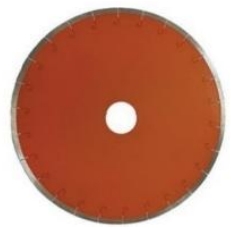
Carbide devices are known for their firmness and thermal resistance, making them a favorite for high-speed and high-temperature applications. High-speed steel, while not as hard as carbide, is remarkably tougher and can withstand greater influences. Ceramics, on the various other hand, are picked for their high-temperature resistance and reduced thermal conductivity, suitable for reducing incredibly hard metals.
Custom Solutions for Metal Cutting: Discovering the Perfect Suitable For Complex Projects
Often, conventional cutting tools do not rather cut it. For specialized or complicated jobs, custom cutting devices may be the response. We'll look at how custom devices are developed and made to fulfill distinct project requirements, and just how you can deal with tool suppliers to create tools flawlessly customized to your demands.
Custom-made devices are a need for certain markets and applications. Aerospace, medical, and energy markets frequently need one-of-a-kind cutting solutions. We'll review the style procedure, consisting of the use of CAD/CAM software application and 3D printing for prototyping. You'll likewise find out about the factors to consider entailed in the automation of custom-made tools, including expense, preparation, and device lifecycle.
In closing, by understanding and using the principles laid out in this guide, you'll be much better furnished to choose, use, and even create the steel cutting tools that are vital to your tasks. Remember, the appropriate tool in the right hands can form steel as deftly as any musician's brush on a canvas. Take the time to hone your device choice process, and watch as your jobs reach new heights of precision and high quality.